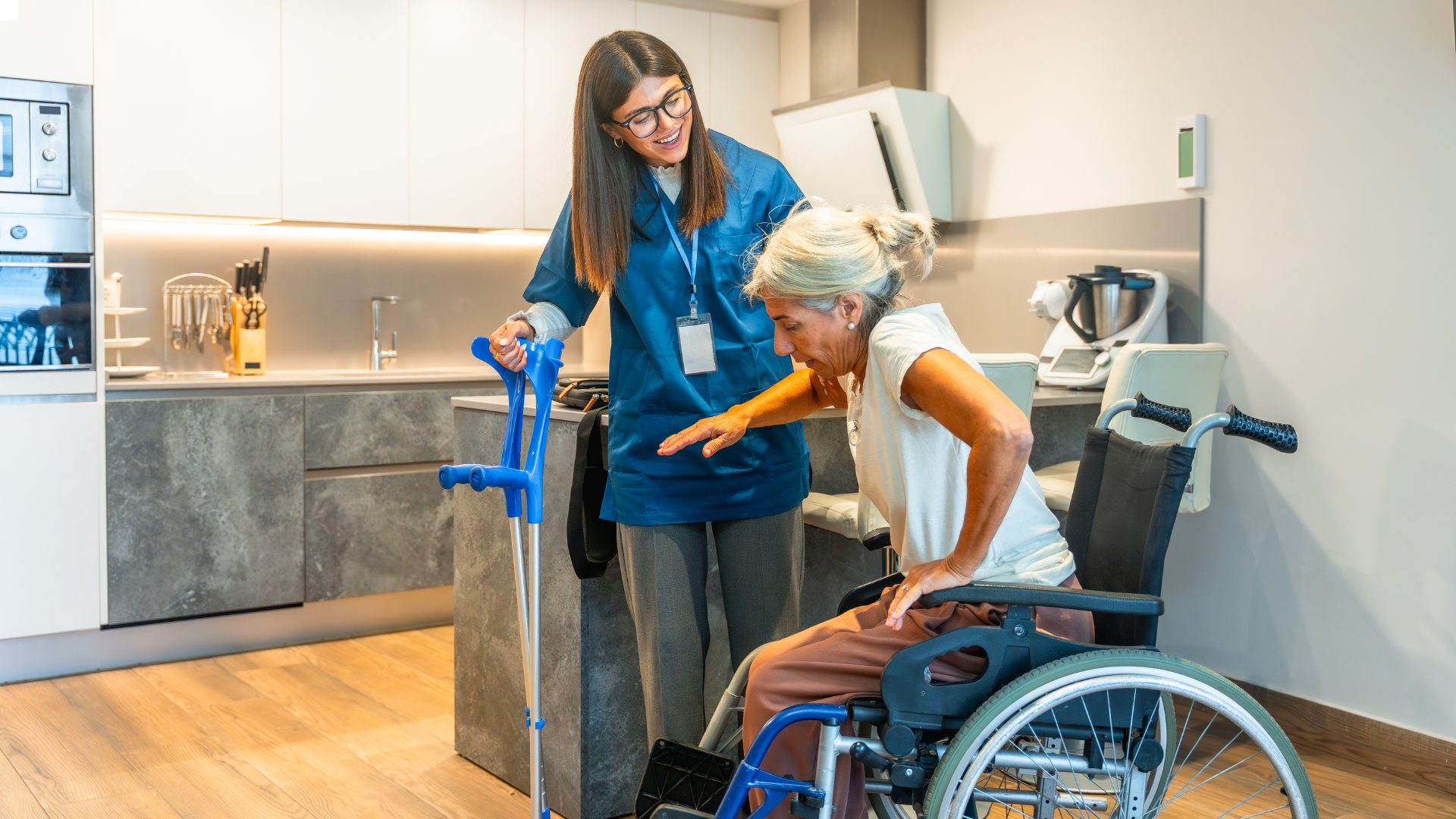
Healthcare assistant in the rural area of Ireland
Ireland's picturesque rural landscapes offer more than just stunning scenery; they present unique and immensely rewarding career opportunities, especially in healthcare. Becoming a Healthcare Assistant (HCA) in a rural area of Ireland isn't just a job; it's a chance to make a profound difference in close-knit communities, providing vital support to those who need it most. If you're considering a career where your compassion and dedication truly shine, read on to discover what it takes to thrive as an HCA in the heart of the Emerald Isle.
ddasdd
Author
Becoming a Healthcare Assistant in Rural Ireland: A Rewarding Path
Ireland's picturesque rural landscapes offer more than just stunning scenery; they present unique and immensely rewarding career opportunities, especially in healthcare. Becoming a Healthcare Assistant (HCA) in a rural area of Ireland isn't just a job; it's a chance to make a profound difference in close-knit communities, providing vital support to those who need it most. If you're considering a career where your compassion and dedication truly shine, read on to discover what it takes to thrive as an HCA in the heart of the Emerald Isle.
The Vital Role of a Rural HCA
In rural settings, HCAs are often the backbone of local healthcare services. They work in a variety of environments, including:
- Nursing Homes and Residential Care Facilities: Assisting residents with daily living activities, ensuring their comfort, and providing companionship.
- Community Healthcare Services: Visiting clients in their own homes, offering personal care, medication reminders, and general support.
- Hospitals and Clinics: Supporting nurses and doctors in smaller, local healthcare centres, which are crucial for accessible care.
The role is incredibly diverse, encompassing personal care (bathing, dressing), mobility assistance, feeding, monitoring vital signs, and offering emotional support. Often, in rural areas, an HCA's relationship with clients and their families is even more personal and central to their well-being.
Key Skills and Qualifications
While compassion and a caring nature are paramount, specific qualifications are generally required to work as an HCA in Ireland:
- QQI Level 5 Healthcare Support Qualification: This is the most widely recognised qualification. It covers essential modules such as Care Skills, Care of the Older Person, and Work Experience. Numerous training providers across Ireland offer this course, often with flexible learning options.
- First Aid Certification: An up-to-date certificate in basic first aid is highly advantageous and often a requirement.
- Manual Handling and Basic Life Support (BLS): Training in these areas is crucial for safe practice.
- Garda Vetting: As you'll be working with vulnerable individuals, a successful Garda (police) vetting check is mandatory.
- Driving Licence and Access to a Vehicle: This is especially critical for rural roles, as public transport can be limited, and HCAs often travel to clients' homes.
Beyond formal qualifications, qualities like excellent communication skills, empathy, patience, reliability, and the ability to work independently are invaluable.
The Benefits of Working in a Rural Community
“Working as an HCA in my local village has been incredibly fulfilling. You become a familiar face, a trusted friend, and truly feel like you're contributing to the fabric of the community.”
There are many unique advantages to pursuing this career path in a rural setting:
- Strong Community Bonds: You'll become an integral part of the community, often caring for neighbours and friends, fostering a deep sense of belonging and appreciation.
- Variety in Your Role: Rural HCAs often have more varied responsibilities due to smaller teams and broader community needs.
- Job Satisfaction: The direct impact you have on individuals' lives is often more visible and immediate in a close-knit environment.
- Lower Cost of Living: Rural areas typically offer a more affordable lifestyle compared to Ireland's larger cities.
- Work-Life Balance: While demanding, some rural roles might offer a more predictable schedule, allowing you to enjoy the slower pace of life and natural beauty.
Challenges and How to Overcome Them
It's also important to be aware of potential challenges:
- Geographical Isolation: Rural areas can sometimes feel isolated, and travel between clients can be time-consuming. A reliable vehicle is essential.
- Limited Resources: Smaller healthcare facilities might have fewer resources than urban counterparts, requiring HCAs to be adaptable and innovative.
- Emotional Demands: Building deep connections with clients means saying goodbye can be particularly hard. Strong coping mechanisms and support systems are vital.
To overcome these, networking with other HCAs, utilising online support groups, and engaging with community activities can be incredibly beneficial.
Conclusion
A career as a Healthcare Assistant in rural Ireland offers a unique blend of professional challenge and profound personal reward. It's a role where your hard work directly enhances the quality of life for individuals and strengthens the very heart of communities. If you're seeking a meaningful path, deeply rooted in care and compassion, then the serene landscapes of rural Ireland might just be calling your name.